
Georgia Court System Overview
The Supreme Court of Georgia is the single court of last resort. The Court of Appeals of Georgia hears most appeals not assigned directly to the Supreme Court. Below them, Superior Court has broad trial authority through judicial circuits, and the Georgia State-wide Business Court hears qualifying complex commercial matters. State, Juvenile, Probate, Magistrate, and Municipal Courts exercise limited or specialized jurisdiction. Georgia has no separate high criminal court.
Georgia appeal paths depend on the case type and order. Many Georgia decisions go to the Court of Appeals, followed by a discretionary petition for certiorari to the Supreme Court. Georgia constitutional questions, election contests, death-penalty matters, habeas cases, and other assigned categories can receive direct Supreme Court review. Some Georgia lower-court decisions receive review in Superior Court under the governing statute.
Typical appeals path: Limited court › Superior Court review where authorized › Court of Appeals › Supreme Court certiorari, with assigned direct appeals going from trial court to Supreme Court.
| Court Level | Court Name | Jurisdiction / Case Types | Number in Georgia |
|---|---|---|---|
| Court of last resort | Supreme Court of Georgia | Final review, assigned direct appeals, certiorari, and certified questions | 1 court, 9 justices |
| Intermediate appellate | Court of Appeals of Georgia | Most appeals not reserved to the Supreme Court | 1 court, 15 judges in 5 divisions |
| Specialized statewide trial | Georgia State-wide Business Court | Qualifying complex commercial disputes | 1 statewide court |
| General trial | Georgia Superior Court | Felonies, divorce, equity, land title, broad civil work, and designated review | 49 Georgia circuits covering 159 counties |
| Limited trial | Georgia State Court | Misdemeanors, traffic, civil matters, warrants, and preliminary hearings | Present in 71 Georgia counties |
| Specialized trial | Georgia Juvenile Court | Delinquency, dependency, children in need of services, and termination matters | Local or supplied through Georgia Superior Court |
| County trial | Georgia Probate Court | Estates, wills, guardianships, marriage licenses, and assigned local functions | One Georgia structure per county |
| County trial | Georgia Magistrate Court | Small claims up to $15,000, eviction, garnishment, warrants, and first proceedings | One Georgia structure per county |
| City trial | Georgia Municipal Court | City ordinances, traffic, warrants, and specified misdemeanors | More than 350 Georgia courts |
Note: Georgia has one high court and no separate court of last resort for criminal appeals.
Supreme Court of Georgia
The nine-justice Supreme Court is Georgia's final state tribunal. Its directly assigned work includes constitutional construction and challenges, election contests, death-penalty matters, habeas cases, certified questions, and related extraordinary matters. It may grant certiorari to review a Court of Appeals decision when the issue meets the governing standard. Review is not automatic merely because a party disagrees with the intermediate court.
The Georgia high court sits as one statewide court rather than separate civil and criminal tribunals. Its Georgia docket and opinions document appellate issues and rulings, but ordinary trial pleadings, evidence, and the certified judgment remain in the Georgia county trial record. A federal question can permit further review by the U.S. Supreme Court after the Georgia state process.
Georgia Court of Appeals
The Georgia Court of Appeals has 15 judges who work in five three-judge divisions. Those Georgia divisions are decisional panels, not territorial districts, and they do not divide Georgia's counties into appellate regions. The Georgia court reviews trial decisions not assigned to the Supreme Court, including many civil, non-capital criminal, and family-law rulings. A Georgia party may seek reconsideration and then petition the Supreme Court for certiorari.
| Unit | Judges | Geographic Coverage |
|---|---|---|
| Five divisions | Three judges per division | Statewide; divisions are not geographic districts |
| Whole court | 15 judges | Appeals from courts throughout Georgia |
Note: The five Georgia appellate divisions are rotating decisional panels, not regional districts with assigned counties.
Georgia Superior Courts and Circuits
Superior Court is Georgia's general-jurisdiction trial court. It has exclusive authority over felony trials, divorce, equity, and disputes over title to land, along with broad civil power and review of designated lower-court decisions. Every county has Superior Court access. Georgia groups the courts into 49 judicial circuits, and official history reports 213 Superior Court judges.
A Georgia circuit can cover one large county or several counties that share judges. The Georgia record does not move to a central circuit archive merely because a judge serves several places. The Georgia complaint, indictment, decree, judgment, and docket stay with the Clerk of Superior Court in the county of filing. The county directory routes Georgia record requests to the correct local office.
Georgia Trial Court Jurisdiction
Georgia case type, amount, age, and location determine the starting court. Georgia Superior Court handles exclusive categories. Georgia State Court has no general civil dollar ceiling but exists only where established. Georgia Magistrate Court is the principal small-claim and dispossessory venue. Probate and Juvenile Courts have subject-based jurisdiction, while Municipal Courts depend on city authority.
| Superior Court | State Court | Magistrate Court | |
|---|---|---|---|
| Civil scope | Broad jurisdiction; exclusive equity and land title | General civil matters not exclusively assigned elsewhere | Claims up to $15,000, eviction, and garnishment |
| Criminal scope | Exclusive felony trials | Misdemeanors, many traffic cases, warrants, preliminary hearings | Warrants, first appearances, preliminary hearings, bind-over |
| Domestic scope | Exclusive divorce and related relief | No general divorce jurisdiction | No divorce jurisdiction |
| Availability | Every county through 49 circuits | Established in 71 counties | Every county |
| Record custodian | County Clerk of Superior Court | State Court clerk | Magistrate Court clerk |
How Georgia Cases Move
A criminal case can begin with a warrant, arrest, and first appearance before charges proceed by accusation or indictment. A civil case begins with a complaint, fee or poverty affidavit, service, response, and motion practice. Appeals review claimed legal error rather than retrying witnesses. The trial clerk assembles the designated record and transcript material, while the appellate clerk opens a new docket.
Felony flow: Arrest › Magistrate first appearance or preliminary hearing › Grand jury indictment › Superior Court arraignment › Motions › Plea or trial › Sentence › Court of Appeals or direct Supreme Court review by subject › Supreme Court certiorari where applicable.
Civil flow: Complaint › Service › Answer › Discovery › Motions or settlement › Trial › Judgment › Court of Appeals or assigned Supreme Court review › Remittitur.
Small-claim flow: Magistrate complaint › Service › Answer › Hearing › Judgment › Statutory transfer or review in Superior or State Court.
Georgia Specialty Trial Courts
The Georgia State-wide Business Court is a specialized trial court for qualifying complex commercial disputes. It has statewide reach and its own rules, but it is not an appellate court or a replacement for ordinary Superior Court civil filing. Transfer, removal, consent, and monetary requirements must be checked under current Business Court law and rules.
Georgia also supports accountability courts for drug, mental-health, veterans, DUI, family-treatment, and related evidence-based programs. These are programs or divisions within authorized host courts, not a separate universal record repository. The host clerk keeps the court record, and treatment material may remain confidential even when a docket event is public.
Georgia Limited and Local Courts
State Courts operate in 71 counties and handle misdemeanors, many traffic cases, warrants, preliminary hearings, and civil matters not reserved to Superior Court. Each county has a Probate Court for estates, wills, guardianships, marriage licenses, and other assigned functions. Each also has a Magistrate Court, the chief venue for small claims up to $15,000, dispossessory cases, garnishments, warrants, and early criminal proceedings.
Juvenile Court handles delinquency for children under 17 at the alleged act, dependency, abuse or neglect, children in need of services, termination of parental rights, and related matters. Its records are substantially restricted. More than 350 Municipal Courts handle city ordinances, traffic, warrants, preliminary hearings, and certain authorized state misdemeanors. A city citation can therefore sit outside county Superior and State Court provider results.
Note: Georgia State Courts are not universal, so a county without one may route work through another authorized local court.
Federal Courts Serving Georgia
Georgia is divided among the Northern, Middle, and Southern U.S. District Courts. Each district also has a corresponding Bankruptcy Court. Appeals go to the U.S. Court of Appeals for the Eleventh Circuit, which covers Georgia, Florida, and Alabama.
The official Northern District of Georgia court site identifies its divisions and federal case services.
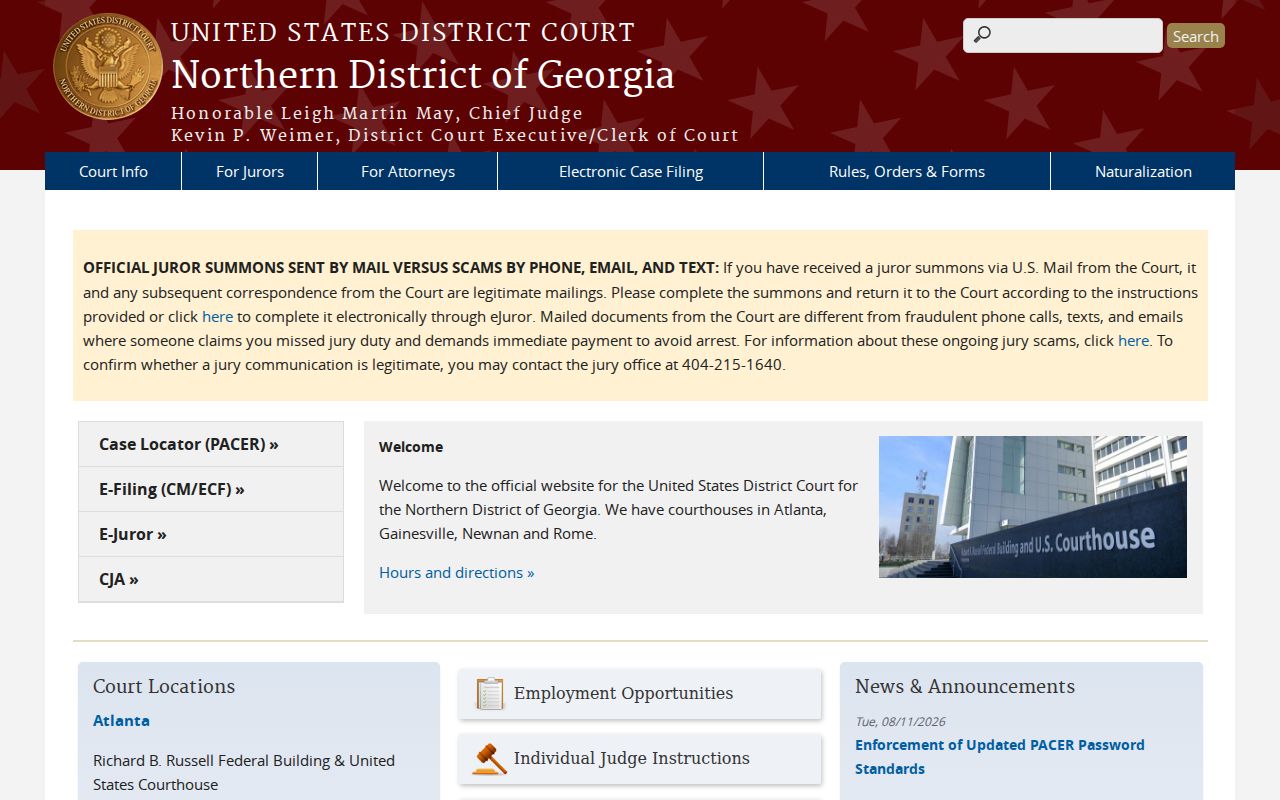
Use the district's official county and division information instead of choosing the nearest courthouse by distance.
The Middle District of Georgia provides its own official court and division resources.
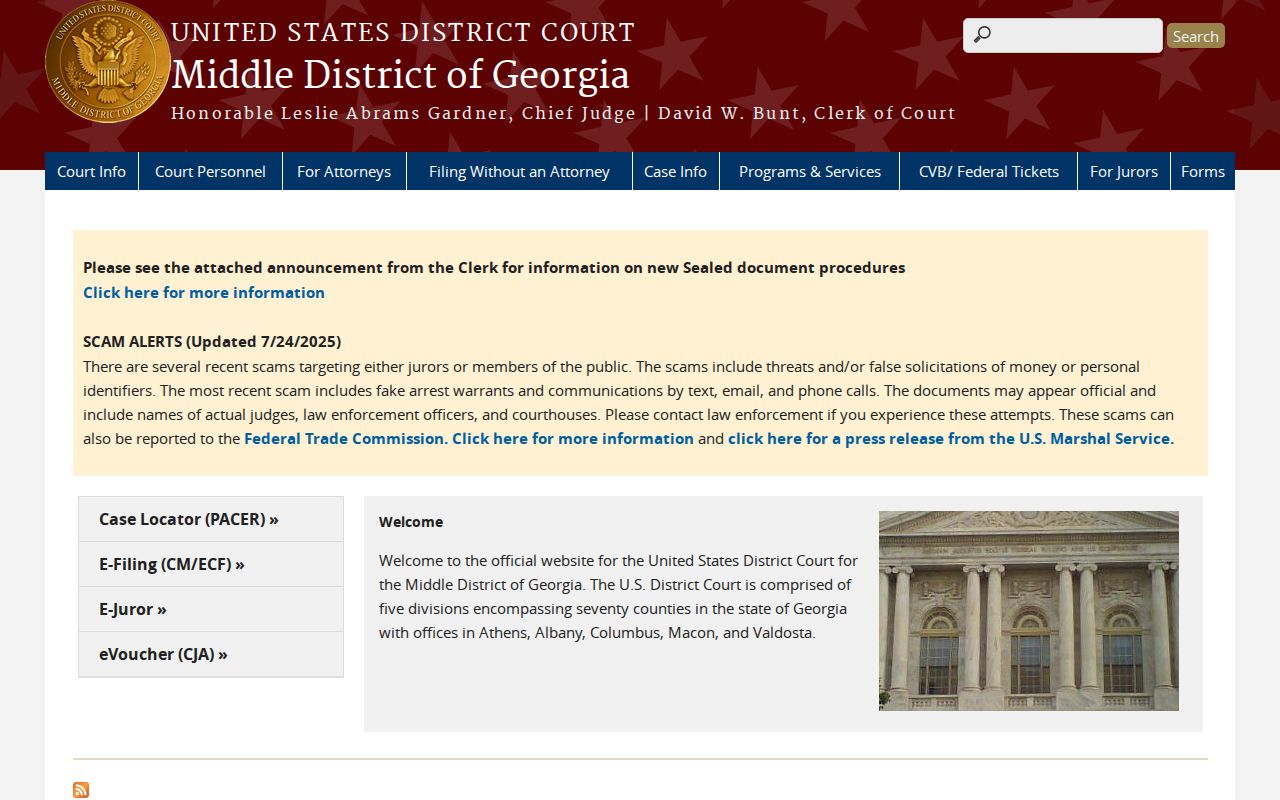
Middle District filings and certified documents remain in the federal system, not with a Georgia county clerk.
The Southern District of Georgia likewise maintains a separate official district court site.
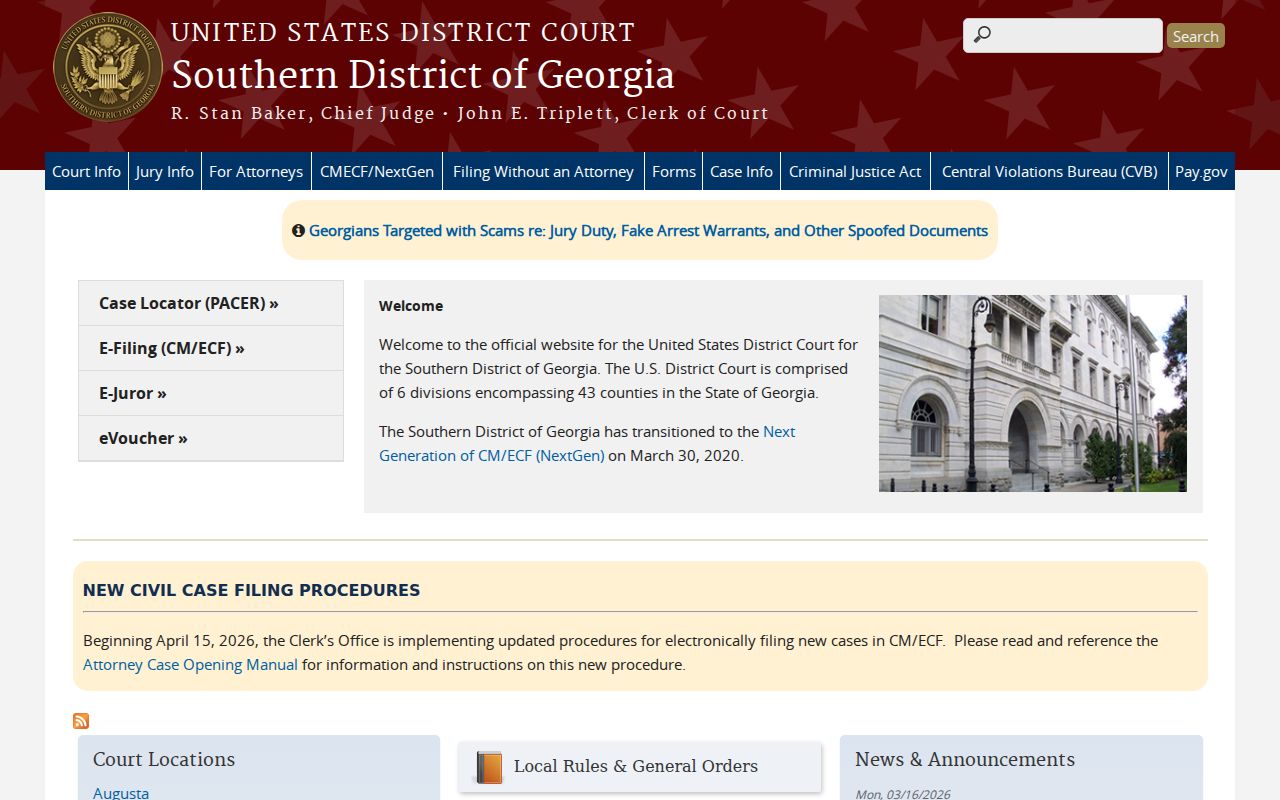
Its current locations page is the authority for eastern, coastal, and southeastern federal routing.
The official Eleventh Circuit site publishes appellate calendars, opinions, rules, and clerk resources.
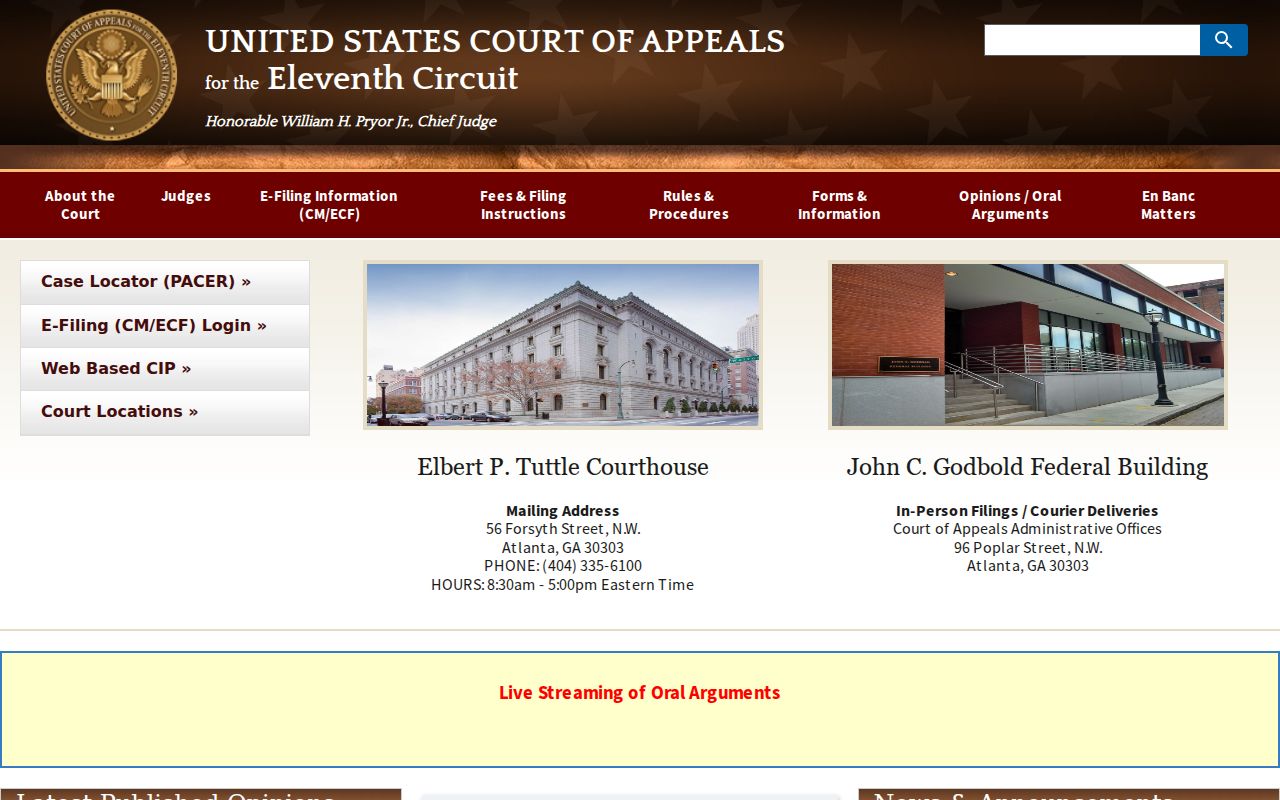
An Eleventh Circuit docket is distinct from both the federal district docket and any related Georgia state case.
Federal dockets and documents use PACER, not Georgia E-Access or county clerk systems. A federal indictment does not appear in Superior Court merely because the alleged conduct occurred in Georgia. A federal habeas case can coexist with the county conviction record. Search the correct sovereign and district, then request certification through the federal clerk when needed.
The federal PACER gateway explains registration, case search, billing, and access to official electronic federal records.
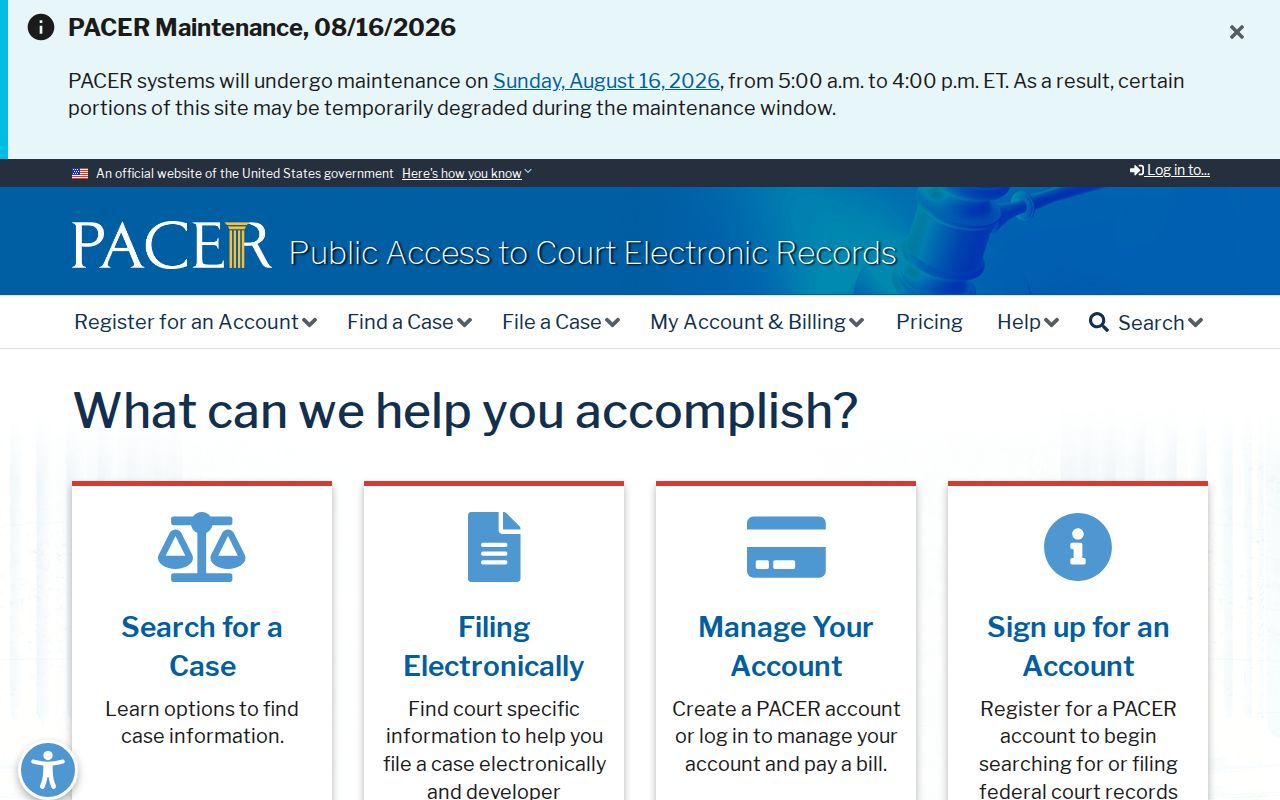
PACER is the authoritative electronic route; a free secondary collection may omit filings or entire dockets.
CourtListener offers free opinions and selected RECAP documents as a nonofficial alternative.
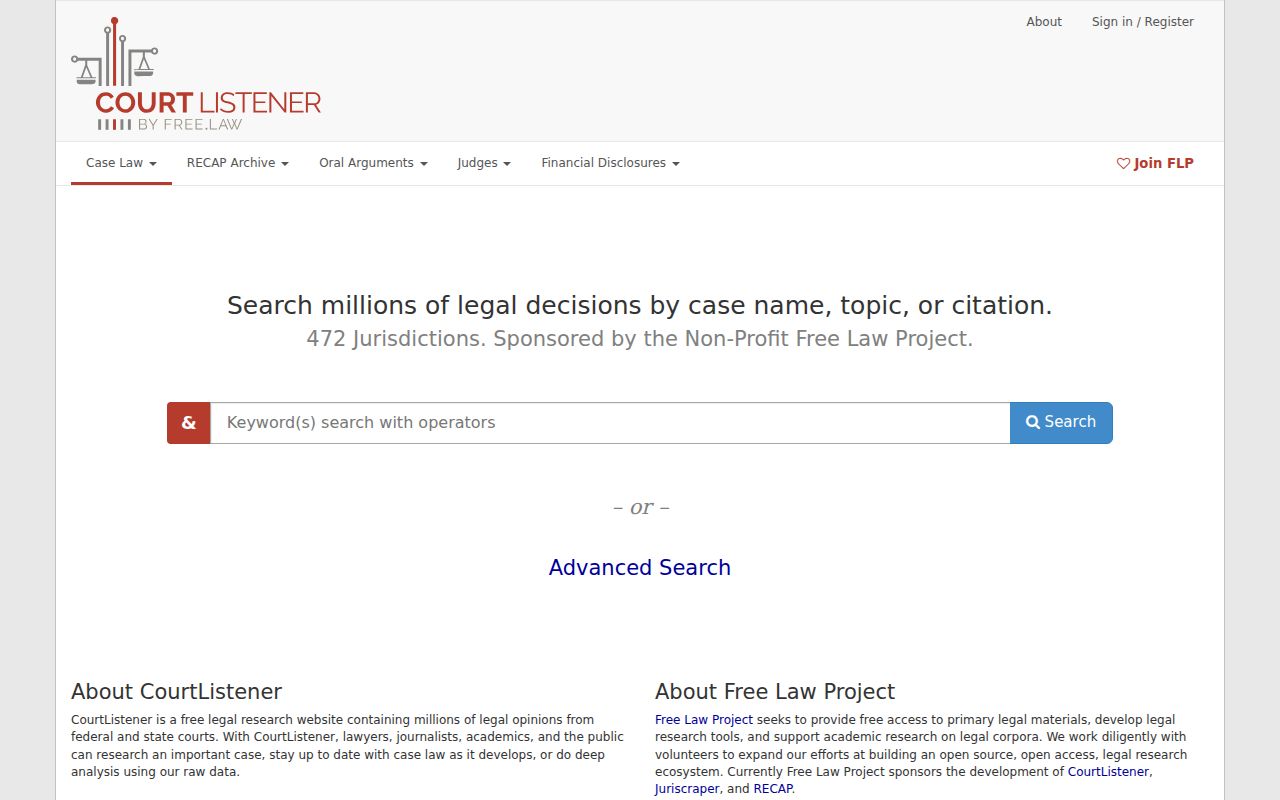
Use CourtListener for convenient research, then return to PACER or the federal clerk when completeness or certification matters.
Federal prison custody uses the Bureau of Prisons inmate locator, not GDC or a county jail roster.
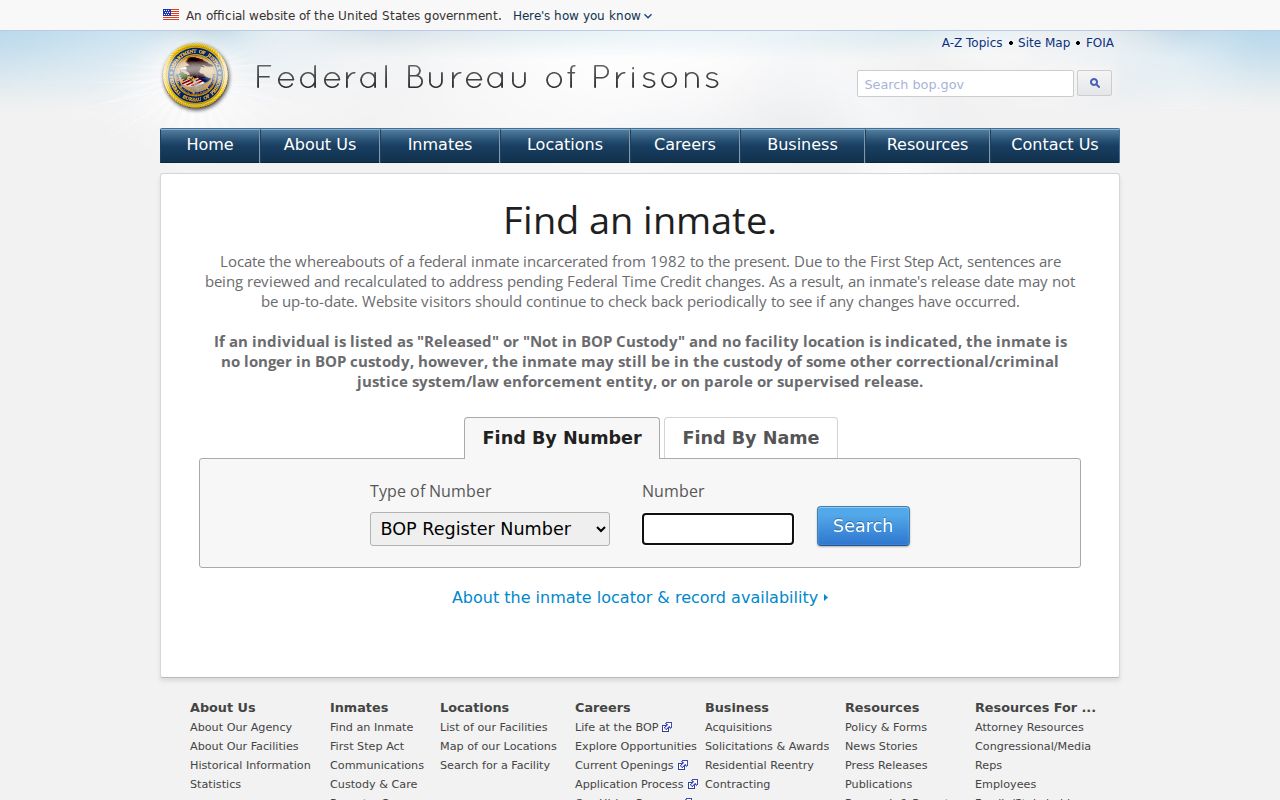
A federal pretrial detainee may still be housed in a contract local jail, so custody and docket searches can require separate sources.
Note: Federal and Georgia court systems maintain separate dockets even when the cases arise from related facts.
History of Georgia Courts
Georgia authorized a Supreme Court by constitutional amendment in 1835 and established it in 1845. Its first session occurred on January 26, 1846. Early judges traveled among hearing sites before the court settled at the seat of government. The Court of Appeals was created in 1906 to address appellate workload.
The 1983 Constitution organized the modern court classes, including Supreme, Appeals, Superior, State, Juvenile, Probate, and Magistrate Courts while permitting Municipal and legacy courts. The Appellate Jurisdiction Reform Act of 2016 added two Supreme Court seats and produced the current nine-justice court. The State-wide Business Court later added a specialized statewide trial venue.
Find Georgia County Courts
Trial records remain with the clerk of the court and county where the case was filed. The Superior Court clerk keeps felony, divorce, equity, land-title, and broad civil records. Separate State, Magistrate, Probate, Juvenile, and Municipal clerks may keep their own dockets. Browse the directory of all 159 Georgia counties to reach local court records, clerk information, and docket access without treating one state portal as complete.